


Gone Vintage: The Gentrification of Thrifting
The pressure to be eco-conscious has a significant bearing on how many of us source our clothing in recent years. With fast fashion being a significant factor in the fight against climate change, there has been a noticeable rise in the repurposing of ‘vintage’ items to sell online at a higher value. These sustainable methods of buying and selling clothes can be seen as a huge success for many climate activists however, it may not be as sustainable as it originally appears.
Recent fashion trends have followed in the same environmentally friendly vein in that charity shops have seen a significant rise in sales of branded items from brands such as Tommy Hilfiger, Ralph Lauren, Levis and other household name brands. If we were to take this increase in sales at face value, it could definitely be seen as a positive. It allows charity shops to be more profitable and therefore allow them to help their respective causes accordingly.
Increasing the acquisition of second-hand clothes is directly combating fast fashion which is definitely a positive seeing that the UK is the epicentre of fast fashion with the average person purchasing on average 26.7kg of clothes per year.
The issue here is that by purchasing these products more consumers are contributing to the profits of companies who utilise unsustainable methods and in turn the exponential rise in waste of resources. If we consider this, thrifting might just be an extremely helpful trend in the fight against climate change. Thrifting as a social trend facilitates the use of charity shops in particular in the UK and therefore contributes to creating healthier and sustainable behaviours when it comes to shopping for young people which will in turn affect the way that major corporations approach the sourcing and pricing of clothes. The previous stigma surrounding purchasing second hand has been thoroughly quashed with the emergence of “Y2K” fashion culture which essentially repurposes fashion themes and styles seen in the late 90s and early 2000s.
Whilst these might seem like extremely positive consequences of thrifting there is, however, a dark side to the business of vintage clothes in recent years. Whilst sourcing these clothes sustainably is a positive advancement we are seeing a huge influx in the use of websites such as eBay and Depop where many are now using the apps to sell these vintage items for a huge mark-up price which can negatively impact many charity shops.
This trend is seen by many as a form of ‘gentrification’ of charity shops, which is effectively forcing charity shops to increase their prices. A concern which is rising from this development is that it means that many people who charity shops have previously served are now disinclined to shop there due to the higher price point which may result in the increased use of fast-fashion brands. This alienation of those who usually depend on charity shops might be disastrous in the long run – fashion trends are likely to change and those who ‘thrift’ from charity shops might stop. Furthermore, previously loyal customers will have found cheaper solutions elsewhere which may not be as sustainable. The increased reliance on these cheaper clothes is directly fuelling the need for fast-fashion solutions and directly hindering the fight against climate change.
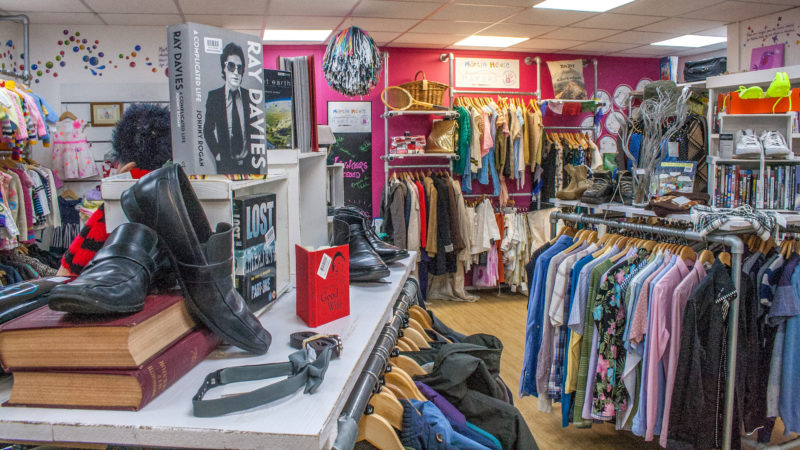
So why are these items so popular? Vintage, branded clothing has become increasingly popular over the last couple of years especially with generally the wealthier part of the student community and therefore the pieces are valued much higher than they might have been ten years ago. This trend could be potentially viewed as a very exploitative method by some as they are sourcing these items for relatively low prices and then making huge profits despite not necessarily relying on charity shops as a main source of necessities.
It could be argued that thrifting in general might contribute to the notion of wealth privilege as those who have the resources to be able to purchase a lot of ‘vintage’ products and then resell them instead of considering that charity shops themselves exist as a public service for those who might not be able to usually afford designer clothing.
The debate, in this sense, is very complex as whilst it has many positive facets of improving people’s shopping behaviours to be increasingly sustainable, creating awareness of the issues surrounding fast-fashion and holding many brands to account when sourcing and producing clothing the negative implications cannot be ignored. Many young people are falling into the trap of paying far higher prices to get these ‘authentic, vintage’ items which in turn only benefit those who have the resources to buy in bulk and make huge profits by exploiting popular trends. Whilst the majority have their heart in the right place and want to help find more sustainable methods of shopping, it can be said that thrifting might pose a risk in the long run.
