

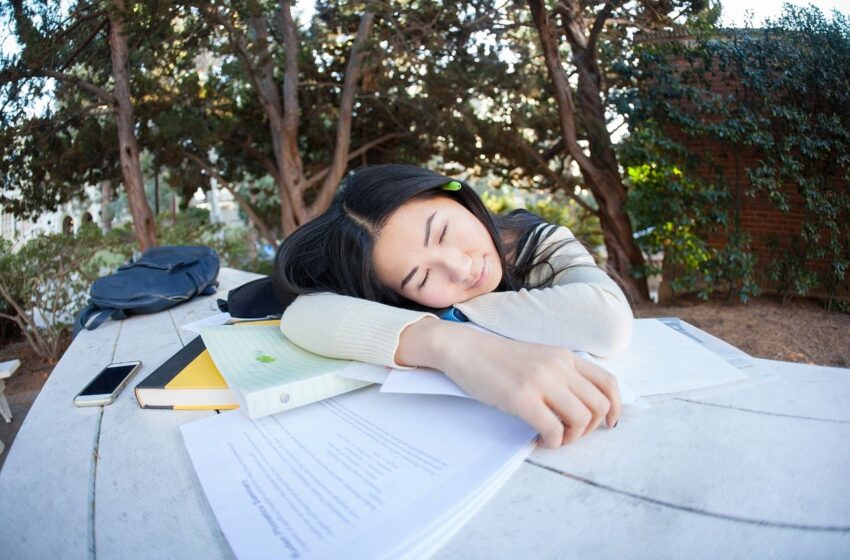
Losing Sleep: Students and Insomnia
Plenty of student stereotypes play on sleeplessness: staying out until five in the morning, pulling all-nighters just before a deadline and nodding off in unexciting lectures. Behind the jokes, however, lies a serious epidemic.
Incoming and returning students alike are unlikely to resist the allure of freshers parties, especially after an uneventful year and a half. Although it’s crucial to get out there and meet new people, students will also need to be well-rested when teaching begins.
A 2018 study by the University of Roehampton claimed that around 50% of students suffered a poor quality of sleep, the worst affected being first years. Over a third of respondents reported “chronic” sleep deprivation, managing an average of less than seven hours on weeknights.
A separate poll conducted by The Student Housing Company found that students in Leeds average just six hours and 24 minutes of sleep on weeknights, the second-lowest across all cities surveyed. For context, NHS guidance states most adults need an absolute minimum of six hours of sleep per night. Other sources place that figure around the seven to nine-hour mark.
There is no single cause of sleeplessness. Many students report that stress related to their courses leaves them unable to rest in the evening. Others may find that a large amount of academic work (particularly during deadline season) simply leaves less time for sleep.
Another common problem is an irregular sleep-wake schedule causing misalignment with your circadian rhythm – essentially your body clock. The use of technology late in the evening also leads to difficulty falling asleep as a screen’s ‘blue light’ tricks the brain into thinking it’s still daytime. The latter is an issue exacerbated as work and school migrated online in response to the coronavirus pandemic.
As Covid-19 impacted nearly every aspect of our lives, sleep was no exception – a phenomenon some scientists have referred to as “coronasomnia.” The disruption of entrenched routines, extra stress related to health and financial fears as well as depression brought on by prolonged isolation have all been observed to have a negative effect on our sleep.
Although missing the occasional night of sleep isn’t likely to do much long-term harm, repeated instances can put a strain on your physical wellbeing. For example, a lack of sleep is known to disrupt your immune system, rendering you more susceptible to illness. Studies have also shown that sleep deficiency can increase the risk of heart problems, diabetes, obesity and even Alzheimer’s disease.
Sleep and mental health are also interlinked. There is evidence of a bidirectional relationship between quality of sleep and the severity of symptoms of depression, anxiety, PTSD, ADHD and bipolar disorder among others. Such disorders can make it harder to get a good night’s sleep, which in turn worsens mental wellbeing, triggering a vicious cycle.
Among those suffering from depression, 75% report symptoms of insomnia, as do around 90% of U.S. veterans with PTSD. This is not to suggest that mental health issues can be entirely resolved by getting more sleep, just that it may improve symptoms.
Sleeplessness may also jeopardise your academic performance. Poor sleep often results in a lack of energy the following day, making it harder to concentrate and participate in classes.
Furthermore, rest is synonymous with memory. The brain begins to process the day’s memories in the slow-wave phase of the sleep cycle, meaning disruption inhibits your ability to retain new information from your classes.
The problem is clear – lack of sleep can affect the physical, mental and academic wellbeing of students up and down the country. So what are the potential solutions?
Some ways to remedy sleep deprivation are fairly obvious but perhaps more easily said than done. These include cutting out energy drinks and avoiding staring at a screen for too long before going to bed. Scientists also say that daytime napping or sleeping in after pulling an all-nighter is no substitute for a proper night’s rest, as these can further distort your circadian rhythm and make it harder to fall asleep the following evening.
If behavioural changes don’t work, there is a chance you’re suffering from a disorder like insomnia or sleep apnoea. The NHS advises those with insomnia lasting more than 4 weeks to contact their GP.
There are also steps universities can take to help prevent sleeplessness among their students. The aforementioned Student Housing Company study found 75% of Leeds-based respondents would attend classes on better sleep if given the chance by their institutions. The University of Leeds does at the very least provide some guidance on its For Students and Sports websites, though you do have to actively search for it.
In addition, a study conducted by the Open University and the University of Nevada recommended that classes be held no earlier than 11:00, so as to better suit students’ body clocks. It also noted this could improve attainment and combat stress.
With the start of a new semester approaching, the return of nights out and the implementation of in-person teaching on the widest scale since the pandemic began, the sleep quality of students is likely to decline again. The importance of a good night’s rest should not be forgotten.
For any further help, please contact the student wellbeing team: https://students.leeds.ac.uk/counsellingandwellbeing
Header Image Credit: Pixabay
